

For many automotive enthusiasts, the allure of classic cars goes beyond mere aesthetics; it encompasses a rich history, engineering excellence, and the thrill of driving something that has stood the test of time. Whether you’re a budding collector or simply looking to embrace the nostalgia of vintage automobiles, the world of classic cars offers a plethora of options that cater to various tastes and budgets. These timeless vehicles not only provide a connection to the past but also serve as a tangible piece of automotive heritage.
As you embark on your journey into classic car ownership, it’s essential to understand that some models stand out as particularly ideal for newcomers. These vehicles are not only iconic in their design but are also more straightforward to maintain and repair, making them perfect candidates for those just stepping into the collecting arena. Classic cars like these often have strong support communities, ensuring that new enthusiasts can find guidance, parts, and camaraderie as they navigate their passion.
In this article, we will explore a curated selection of classic cars that are perfect for new enthusiasts. From affordable entries to those that boast significant collector value, each model has its unique attributes that make it a worthy investment for anyone looking to dive into the fascinating world of classic automobiles. Discover the ride that ignites your passion and propels you into the joy of classic car ownership.
Budget-Friendly Classic Cars for Beginners
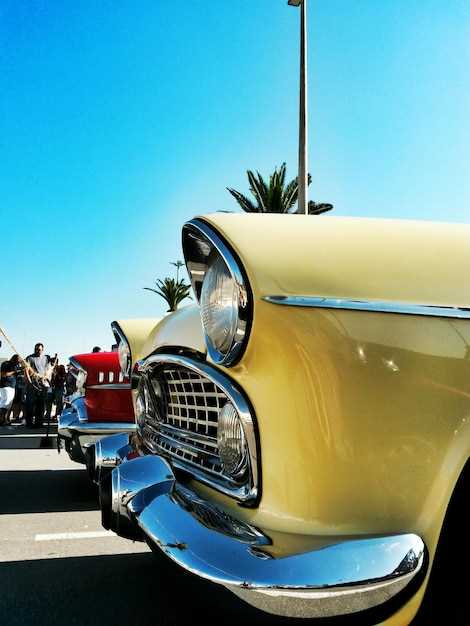
For new enthusiasts looking to dip their toes into the world of classic cars, budget-friendly options are a great way to start a collection without breaking the bank. Classic cars not only offer nostalgia and style but often come at a price point that is manageable for beginners. Here are some of the best choices for those eager to own a piece of automotive history.
The first recommendation is the 1965 Ford Mustang. Known as an iconic representative of American muscle cars, it combines appealing design with reliable performance. Parts are widely available, making repairs and restorations easier for novice collectors.
Another excellent choice is the Volkswagen Beetle, manufactured from the late 1930s through the 2000s. Recognized for its distinctive shape and simplicity, this classic car is affordable to maintain and offers a fun driving experience, making it ideal for beginners.
The Chevrolet Chevelle, particularly models from the late 1960s, is also a solid option. With a classic look and robust engine choices, it stands out among collectors. Availability of parts and a strong community of enthusiasts provide support for new owners.
For those interested in European classics, the MG Midget offers a compact and charming option. It features a lightweight build and nimble handling, making it a joy to drive. The MG Midget’s affordability and historic significance make it appealing for entry-level collectors.
Finally, consider the Datsun 240Z, a classic sports car that provides a great blend of style and performance. Its sleek design and reliability have garnered a dedicated following, ensuring that support is readily accessible for newcomers in the classic car scene.
Choosing any of these budget-friendly classic cars allows new enthusiasts to experience the joy of ownership while building a foundation for a lasting collection. Each model not only encapsulates the charm of the classic era but also serves as an excellent entry point into the rewarding world of classic cars.
Key Features to Look for in a Starter Classic Car

When searching for a classic car as a beginner enthusiast, it’s essential to consider various features that ensure a rewarding ownership experience. First and foremost, the availability of parts is crucial. Choose a model that has a robust aftermarket or established vintage parts market to facilitate easy repairs and maintenance.
Secondly, assess the ease of restoration. Some classic cars are simpler to work on than others, making them ideal for beginners looking to dive into DIY projects. Look for models with straightforward mechanics and uncomplicated systems to boost your confidence and skills.
Reliability is another significant feature to consider. Vehicles with a reputation for durability can reduce frustrations and allow you to enjoy driving more. Models with fewer complex electrical systems tend to be more reliable, making them suitable for new enthusiasts.
Furthermore, evaluate the affordability of insurance and maintenance costs. Certain classics can be expensive to insure and maintain, so it’s wise to focus on models that offer reasonable pricing for novice owners.
Finally, prioritize safety features, even in classic cars. Models that include seat belts, better braking systems, and features like disc brakes can enhance driver and passenger safety, which is vital for newcomers to classic car ownership.
Essential Maintenance Tips for New Classic Car Owners
Owning a classic car can be a thrilling experience for any beginner collector. However, maintaining these vehicles requires a commitment to proper care and attention. Understanding the fundamental maintenance tasks is crucial for preserving your investment and ensuring a smooth driving experience.
Regular inspections are essential. Check the fluid levels, including oil, coolant, brake fluid, and transmission fluid. Making it a habit to inspect these fluids helps in early detection of potential issues. Ensure that filters, such as oil and air filters, are changed regularly to optimize performance.
Pay close attention to the tires. Inspect tire pressure frequently, as classic cars often have specific pressure requirements. Look for signs of uneven wear, which may indicate alignment issues that could affect handling and safety.
A classic car’s battery deserves special attention. Since these vehicles can sit idle for extended periods, invest in a battery maintainer or trickle charger to prevent discharging. Always check battery terminals for corrosion and clean them to maintain a proper connection.
Don’t neglect the brakes. Regularly inspect brake pads, discs, and lines for any signs of wear or leakage. Classic cars may have different braking systems than modern vehicles, so understanding the specific requirements is key.
Cleaning and protecting the exterior is imperative to prevent rust and preserve the paint. Use a gentle detergent and wax the car periodically to maintain its shine. Also, keep the interior clean and use protectants to shield from UV damage.
Finally, establish a relationship with a trusted mechanic who specializes in classic cars. Their expertise can prove invaluable for troubleshooting and repairs. Regular servicing by a professional ensures that your vehicle remains in top condition and enhances your enjoyment as a new collector.


