
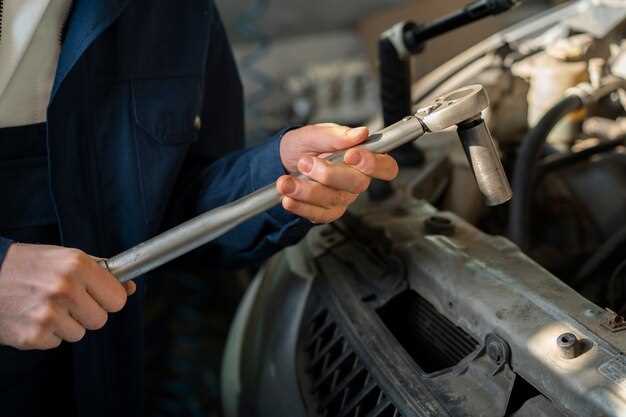
Restoring a classic car is not just a hobby; it’s a labor of love that combines passion, patience, and the right tools. The thrill of bringing back to life a vehicle that has weathered the years is an experience that can be both rewarding and challenging. To ensure a successful restoration, car enthusiasts must equip themselves with essential tools that cater specifically to the unique needs of classic vehicles.
The process of restoration involves several stages, including disassembly, mechanical repairs, bodywork, painting, and reassembly. Each stage requires a distinct set of tools designed to handle the intricacies of vintage automobiles. From specialized wrenches to power tools, having the right equipment not only facilitates the restoration process but also enhances the quality of the final outcome.
In this article, we will explore the top tools necessary for restoring classic cars successfully. Whether you are a seasoned professional or a newcomer to the world of classic car restoration, understanding what tools to use and when can make all the difference in your project’s success.
Must-Have Hand Tools for Classic Car Restoration
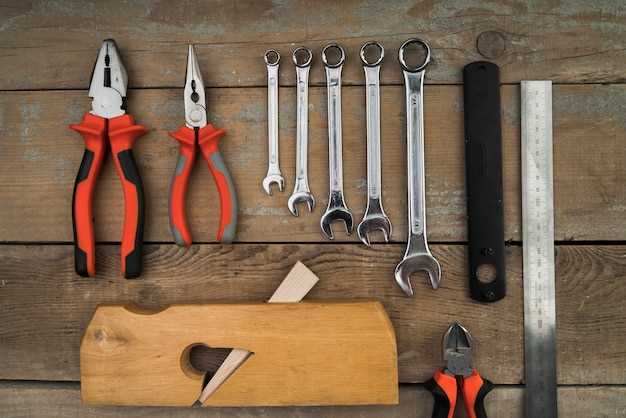
When embarking on a classic car restoration project, having the right tools is essential for successful and efficient work. Below is a list of must-have hand tools that every restoration enthusiast should consider.
- Wrenches
Socket and combination wrenches are critical for loosening and tightening bolts. A set of varying sizes will help in handling different components in classic cars.
- Screwdrivers
A variety of flathead and Phillips screwdrivers are necessary for disassembling and reassembling parts of the vehicle.
- Pliers
Needle-nose pliers, slip-joint pliers, and locking pliers are versatile tools for gripping, twisting, and cutting wires or smaller components.
- Hammers
A ball-peen hammer and a rubber mallet are useful for shaping and adjusting metal parts without causing damage.
- Files
Different types of files allow for smoothing down rough edges and refining shapes on metal components during restoration.
- Measuring Tools
Calipers and tape measures are necessary for accurate measurements, ensuring that parts fit correctly.
- Torque Wrench
A torque wrench is essential for ensuring bolts are tightened to manufacturer specifications, preventing damage to parts.
- Cutting Tools
Utility knives and metal snips are crucial for cutting through various materials, from upholstery to metal sheets.
- Mixing Paddles
If restoring or refurbishing any components, mixing paddles for epoxy or adhesives might be needed.
- Sandpaper and Abrasives
A selection of sandpaper grits is valuable for preparing surfaces for painting and refinishing.
Having these essential hand tools will significantly enhance your ability to restore classic cars effectively and efficiently, ensuring that each project is successful and rewarding.
Automotive Paint Sprayers: Achieving a Flawless Finish
In the realm of classic car restoration, achieving a flawless finish is crucial. One of the most significant tools in this process is the automotive paint sprayer. These devices provide an even application of paint, ensuring a smooth surface that enhances the vehicle’s aesthetic appeal.
When selecting a paint sprayer, consider the type of finish you aim to achieve. HVLP (High Volume Low Pressure) sprayers are popular for their efficiency and ability to minimize overspray, making them ideal for detailed restoration work on classic cars. They allow for precise control, enabling restorers to apply thin layers of paint, which can be critical when working with vintage finishes.
Another option is the conventional spray gun, which offers a broader application coverage. Although it may lead to more overspray, it can be advantageous for larger surfaces or when quick coverage is necessary. It’s essential to balance speed and quality to maintain the desired restoration standards.
Regardless of the sprayer type, achieving a flawless finish also depends on proper preparation. Begin by ensuring the surface is clean, free from rust, and primed adequately. This preparation allows for better adhesion and a more professional appearance. Additionally, practicing your technique on scrap metal or less visible areas helps in mastering the tool before tackling more prominent sections of the classic vehicle.
Moreover, the choice of paint significantly influences the final result. High-quality automotive paints designed specifically for classic cars often contain specialized chemicals that enhance color depth and longevity. Always follow the manufacturer’s recommendations for thinning and applying the paint to achieve optimal results.
Finally, invest time in post-application work. After painting, allow adequate curing time before wet sanding and buffing. This process helps eliminate any imperfections and brings out the shine, ultimately resulting in a stunning finish that showcases your hard work in restoration.
Essential Diagnostic Tools for Classic Car Troubleshooting
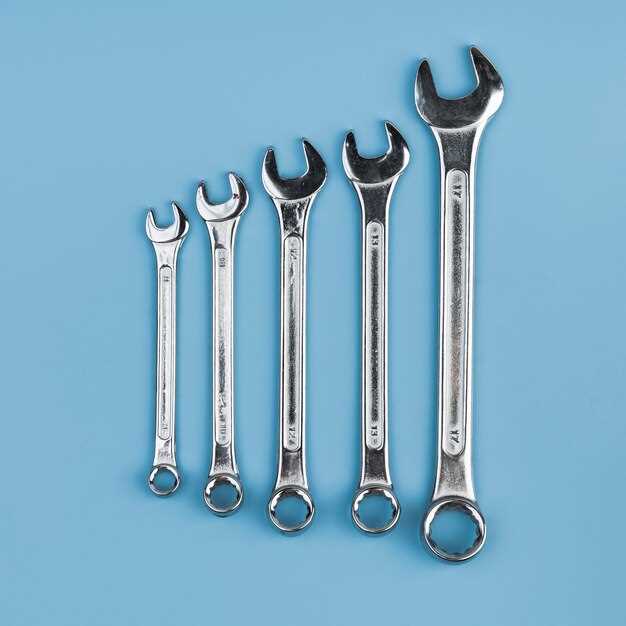
When it comes to maintaining and restoring classic cars, having the right diagnostic tools is crucial for identifying and resolving issues efficiently. Classic vehicles often feature outdated technology, which can make troubleshooting more challenging. However, with the correct tools, diagnosing problems becomes a streamlined process.
One of the most important tools for classic car enthusiasts is a multimeter. This versatile instrument helps measure voltage, current, and resistance, allowing car owners to pinpoint electrical issues that are common in vintage automobiles. Understanding the electrical system is key to ensuring reliable performance in classic cars.
Another vital tool is the OBD-I scanner. Unlike modern vehicles that use OBD-II systems, many classic cars may have early versions of diagnostic connectors. An OBD-I scanner can assist in pulling trouble codes that indicate specific malfunctions, aiding in accurate troubleshooting.
Additionally, a compression tester is essential for diagnosing engine performance problems. By measuring the compression in each cylinder, car owners can determine the health of the engine and identify issues such as worn piston rings or valves that need attention.
For fuel systems, a fuel pressure gauge is necessary. This tool helps ensure that the fuel delivery system is functioning correctly. Low fuel pressure can lead to poor engine performance, making it vital to monitor this aspect of classic cars.
Lastly, a vacuum gauge can provide insights into the engine’s performance by measuring the manifold vacuum. Fluctuations in vacuum levels can indicate problems such as leaks or valve issues, helping restorers address potential complications before they escalate.
Equipping yourself with these essential diagnostic tools will considerably enhance your ability to troubleshoot issues in classic cars, ensuring that these timeless machines remain on the road for years to come.


