
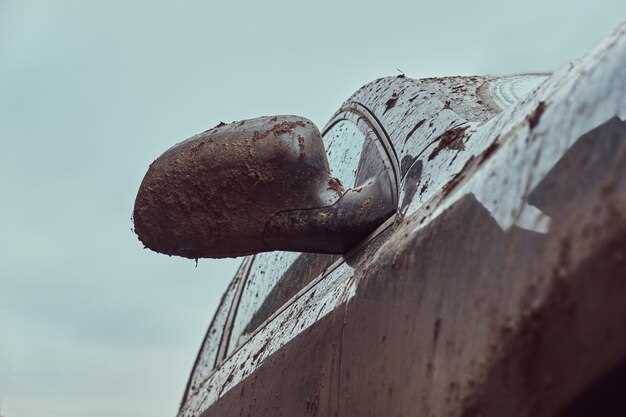
Rust is a common enemy for classic car enthusiasts, threatening the beauty and integrity of these magnificent machines. Whether it’s a prized vintage Ford or a beloved Chevrolet, identifying and repairing rust is crucial to maintaining a classic car’s value and longevity. In this guide, we will delve into the essential methods and techniques for effectively tackling rust damage, ensuring your car remains a timeless piece of automotive history.
Repairing rust involves more than simply sanding down affected areas; it requires a comprehensive understanding of different types of rust and the best practices for dealing with them. From surface rust that can be easily managed to more severe issues that call for professional intervention, each stage of rust repair has its unique challenges. This guide aims to equip you with the knowledge necessary to assess the condition of your car, choose appropriate materials, and execute repairs that will stand the test of time.
By following the structured approach outlined here, not only can you restore your classic car to its former glory, but you can also take pride in the craftsmanship that goes into each repair. So, grab your tools, and let’s embark on a journey to rid your classic car of rust once and for all.
Identifying Rust Areas on Vintage Vehicles
Rust is a common issue for vintage cars, as they often lack the protective coatings found in modern vehicles. Identifying rust areas is crucial for effective repair and restoration. Start by examining the vehicle’s body, particularly around seams, wheel arches, and undercarriage, where moisture tends to accumulate. Look for discoloration, bubbling paint, or flaking surfaces, as these are indicators of underlying rust.
Pay special attention to the areas where the metal is exposed to the elements, such as the front fenders, doors, and trunk lid. The edges of these sections are particularly vulnerable. Use a flashlight to inspect dark or hard-to-see areas like the frame and cross members. A small tool, like a screwdriver, can help probe for soft spots, which may signify extensive rust damage.
Don’t forget to check the floor pans and undercarriage particularly, as water can seep through seals and accumulate, leading to severe rust. If the car has previously been repaired, old patch jobs can also conceal active rust underneath, so be thorough in your inspection.
Lastly, consider the environment the vehicle has been stored in over the years; exposure to humidity, salt, and lack of ventilation significantly increases rust likelihood. Document your findings and prioritize areas for repair to restore the vintage car effectively.
Choosing the Right Materials for Rust Repair
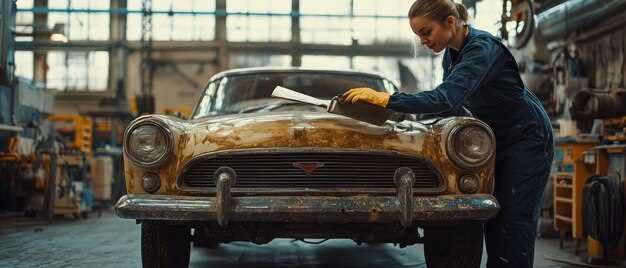
When embarking on a rust repair project for vintage cars, selecting the appropriate materials is crucial to ensure durability and maintain the car’s classic integrity. The first step is to assess the extent of the rust damage. This assessment will guide your choice of materials, whether you need lightweight patches or replacement panels.
For minor rust spots, high-quality epoxy or polyester resin can be effective. These materials provide strong adhesion and help protect against future corrosion. Ensure that the surface is thoroughly cleaned and prepped before application to achieve optimal results.
If the rust damage is more severe, using sheet metal that matches the original specifications of the car is essential. Steel or aluminum sheets can be shaped and welded into place, allowing for a seamless repair that preserves the car’s vintage appearance. Look for materials that resist further rust and match the original thickness for the best results.
Additionally, rust-inhibiting primers and paints are crucial in the repair process. These products create a barrier that protects against moisture and air, which are primary catalysts for rust formation. Choose primers that are compatible with the metal you are repairing and the topcoat you plan to use.
Finally, when working on classic cars, consider using original parts or OEM (Original Equipment Manufacturer) replacements whenever feasible. This not only helps maintain the car’s value but also ensures that the repair blends in with its vintage aesthetics. Always remember, the right materials play a significant role in the effectiveness of your rust repair and the preservation of your vehicle’s heritage.
Step-by-Step Process for Rust Removal and Treatment
Removing rust from a vintage car requires careful planning and execution. Here is a detailed step-by-step process to ensure effective rust removal and treatment.
Step 1: Assess the Damage
Begin by inspecting the car thoroughly. Identify all rust spots, paying special attention to hidden areas such as wheel wells, seams, and undercarriage. Document the extent of rust to plan your approach.
Step 2: Gather Required Tools and Materials
Collect necessary tools such as sandpaper, wire brushes, a grinder, and safety equipment like gloves and goggles. Additionally, procure rust removers, primer, and paint suitable for metal surfaces.
Step 3: Prepare the Work Area
Ensure your workspace is clean and well-ventilated. It’s ideal to work outdoors or in a garage with proper ventilation to avoid inhaling dust and fumes.
Step 4: Remove Loose Rust and Paint
Utilize wire brushes and sandpaper to remove any loose rust and flaking paint. For more stubborn rust, employ a grinder, taking care not to damage the surrounding metal.
Step 5: Treat Remaining Rust
After removing loose material, apply a rust converter to any remaining rust spots. This chemical treatment will neutralize the rust and prevent further corrosion.
Step 6: Clean the Surface
Once the rust treatment is complete, clean the area with water and a cloth to remove any residue. Allow the surface to dry completely before proceeding.
Step 7: Apply Primer
Using a spray or brush, apply an automotive primer to the treated areas. This step ensures that the paint adheres properly and provides additional protection against moisture.
Step 8: Paint the Area
After the primer has dried, paint the surface with automotive paint that matches your vintage car’s original color. Apply multiple thin coats for a smooth finish, allowing ample drying time between applications.
Step 9: Finishing Touches
Finally, inspect your work. Touch up any missed spots and apply a clear coat for added protection. This will help preserve the car’s appearance and protect against future rust development.
Following these steps diligently will ensure your classic car remains in excellent condition, preserving its vintage charm while preventing rust damage.


