
When embarking on a restoration project, one of the most crucial aspects is sourcing original parts. Authentic components not only enhance the value of the restoration but also ensure the integrity and historical accuracy of the piece being revived. Today, as enthusiasts and collectors dedicate their time and resources to preserving the past, the demand for parts that are true to their origins has never been greater.
Identifying original parts can be a challenging endeavor, as the market is often flooded with reproductions that lack the quality and authenticity necessary for a proper restoration. Knowledgeable restorers understand that genuine parts offer a unique connection to history, while also contributing to the overall functionality and aesthetic appeal of the restored item. The pursuit of such parts requires diligence, research, and sometimes an extensive network of contacts within the restoration community.
As restoration projects vary widely, from classic automobiles to historical buildings, the strategies for locating original parts differ. Engaging with specialized forums, attending auctions, and establishing relationships with reputable dealers can significantly enhance the chances of finding the right parts. In an age where authenticity is prized, the commitment to discovering these essential components plays a vital role in the success of any restoration endeavor.
How to Identify Genuine Parts for Vintage Vehicles
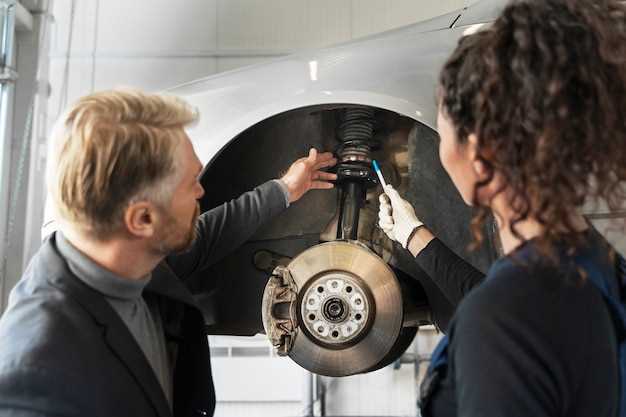
When restoring vintage vehicles, sourcing the right parts is crucial to maintain authenticity. Genuine parts not only enhance the vehicle’s value but also ensure optimal performance. Here are key steps to identify original components.
1. Research OEM Numbers: Original Equipment Manufacturer (OEM) numbers are unique identifiers for genuine parts. They can often be found in parts catalogs or online databases specific to your vehicle make and model. Cross-referencing these numbers with potential purchases can help confirm authenticity.
2. Inspect Quality and Material: Authentic parts typically exhibit superior craftsmanship. Examine the material, finish, and overall quality. For instance, original metal components may show signs of aging, such as patina, while reproduction parts might have a shiny, new finish without any wear.
3. Verify Packaging: Genuine parts often come in original packaging with brand logos and correct labels. Look for any discrepancies in branding, as counterfeit parts may lack proper identification.
4. Consult Expert Resources: Join vintage vehicle forums and groups where enthusiasts share insights and experiences. Experts can provide valuable information on specific parts and recommend trustworthy suppliers.
5. Buy from Reputable Vendors: Purchase parts from established vendors who specialize in vintage restorations. These suppliers are more likely to offer authentic components and provide documentation that can enhance your restoration.
6. Compare with Reference Vehicles: If possible, inspect identical models for comparison. Noticing differences in parts or designs can indicate whether the components you’re considering are genuine or aftermarket alternatives.
Identifying genuine parts for vintage vehicles takes diligence and knowledge. By using the above strategies, you can enhance your restoration project’s authenticity and value.
Sources for Sourcing Original Components for Historic Furniture
When embarking on a restoration project for historic furniture, finding original components is essential to maintain authenticity and value. Several sources can aid in this quest for original parts.
Antique Shops: Local antique shops often house a variety of original components from different periods. These establishments may have parts separated from other pieces, making it easier to find specific elements needed for restoration.
Salvage Yards: Architectural salvage yards specialize in reclaiming and reselling original materials from old buildings and furniture. Visiting these yards can yield surprising finds, including hardware, wood pieces, and unique embellishments that are perfect for restoration.
Online Marketplaces: Websites such as eBay, Etsy, and specialized furniture restoration sites often feature sellers who offer original components. Searching with detailed descriptors can help locate rare parts necessary for your project.
Auctions: Auction houses periodically offer collections of historic furniture, allowing you to purchase original parts directly from pieces that are being sold. Attending these auctions can provide access to components that may be difficult to find elsewhere.
Collectors and Dealer Networks: Building relationships with furniture collectors and dealers can open doors to sourcing original components. Many enthusiasts and professionals have deep networks and could help you find specific items or recommend trusted sources.
Craftsmanship Guilds and Trade Associations: Joining craftsmanship guilds or trade associations can connect you with skilled artisans who may have leads on sourcing original components. These communities can also provide insights and support throughout the restoration process.
Throughout your search for original components, it is crucial to maintain a keen eye for authenticity and quality. Each source offers unique opportunities to find the parts necessary for a successful restoration project.
Tips for Verifying the Authenticity of Replacement Parts
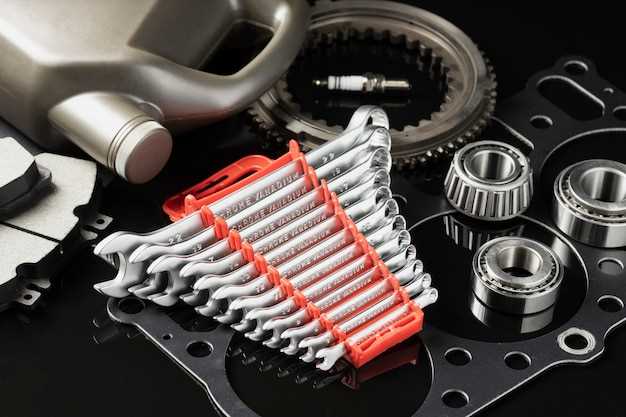
When undertaking restoration projects, ensuring the authenticity of replacement parts is crucial for maintaining the original integrity of the item. Start by researching the specific parts you need. Understanding the manufacturer’s details, part numbers, and production years can help you differentiate between authentic and reproduction items.
Next, examine the physical characteristics of the part. Authentic components often have unique features such as specific markings, labels, or serial numbers, which reproductions may lack or not replicate accurately. Comparing these details with officially recognized references, such as catalogs or online databases, can be invaluable.
Request provenance documentation from the seller. This can include receipts, certifications, or historical information that confirms the part’s origin. Authentic suppliers often provide verified documentation that supports their claims.
Additionally, seek insights from restoration forums or communities where experienced restorers share knowledge and offer advice regarding authentic parts. Connections with fellow enthusiasts can lead to recommendations for reputable vendors known for offering original components.
Finally, consider consulting with professionals or appraisers who specialize in restoration. Their expertise can confirm the authenticity of replacement parts and enhance the overall success of your restoration project, ensuring it remains true to its original form.


