
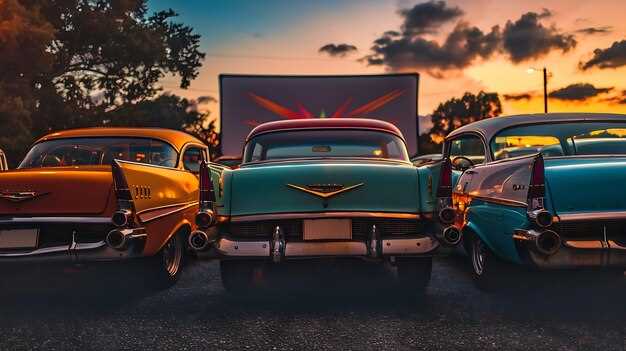
In the realm of cinema, few elements are as captivating as the presence of a classic car. These vehicles, often steeped in history and style, play a significant role in shaping the narratives of popular movies. From their sleek lines to the roar of their engines, classic cars become not just modes of transportation, but iconic symbols that resonate with audiences worldwide.
A classic car in a movie can evoke nostalgia, serve as a character in its own right, and enhance the overall aesthetic of a film. Whether it’s the striking red Mustang in “Bullitt” or the luxurious Aston Martin in the James Bond series, these automobiles have left an indelible mark on the collective memory of cinema lovers. They embody the spirit of their times while often representing freedom, rebellion, or sophistication, making them essential to the storytelling process.
As we explore the intersection of automotive history and filmography, it becomes clear that the influence of classic cars extends beyond mere visuals. They are integral to the plotlines, often driving pivotal moments and character developments. This article delves into some of the most iconic classic cars that have graced the silver screen, highlighting their significance and the lasting impressions they’ve made on popular culture.
Top Classic Cars that Shaped Film History
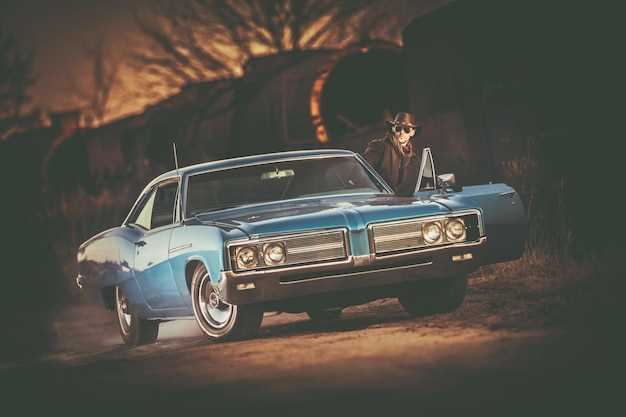
The realm of cinema has been significantly influenced by classic cars, with several models becoming iconic symbols of their respective eras. These vehicles not only showcase automotive excellence but also play pivotal roles in the storytelling of films, capturing the essence of characters and settings.
One of the most recognizable classic cars in film history is the 1961 Ferrari 250 GT California, famously driven by Steve McQueen in the classic film “Ferris Bueller’s Day Off.” This car radiates style and speed, symbolizing freedom and youthful rebellion. Its limited production numbers add to its allure, making it a coveted model among collectors and film enthusiasts alike.
The 1970 Dodge Charger featured in the “Fast and Furious” franchise also deserves mention. This classic muscle car signifies power and performance, perfectly matching the themes of adrenaline and camaraderie showcased in the films. Its sleek design and impressive engine capabilities have made it a staple in car culture and action cinema.
Another significant vehicle is the 1959 Cadillac Eldorado, prominently displayed in “Ghostbusters.” This classic car, transformed into an iconic ghost-catching vehicle, blends humor with nostalgia. Its distinctive tail fins and luxurious design perfectly encapsulate the era, elevating its status in popular culture.
The 1981 DeLorean DMC-12 from “Back to the Future” features a unique design with its gullwing doors, rendering it an unforgettable classic car. This vehicle symbolizes adventure and innovation, bringing time travel to life on the big screen. Its association with the legendary Doc Brown and Marty McFly has cemented its place in film history.
Lastly, the 1967 Ford Mustang GT390 from “Bullitt,” driven by Steve McQueen, cemented the brand’s reputation in Hollywood. The car is renowned for its thrilling chase sequences, where it showcases incredible speed and handling, influencing car enthusiasts and filmmakers for decades.
In conclusion, these classic cars have not only contributed to the aesthetics of their respective films but have also shaped the narratives and emotional connections audiences experience. Their legacy continues to inspire car aficionados and filmmakers alike, embodying the enduring relationship between automotive design and cinema.
How Movie Cars Influence Collector Markets
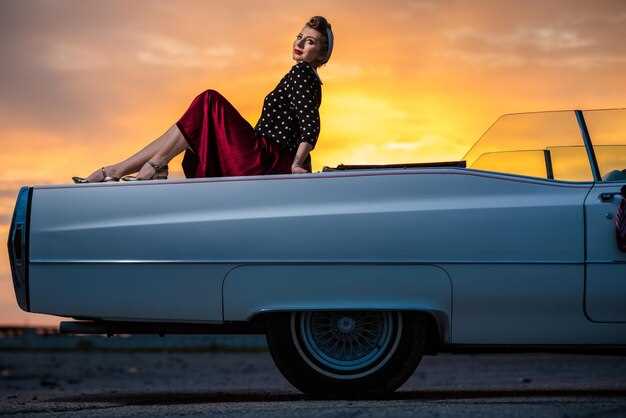
Movie cars have a significant impact on the classic car collector markets, driving trends and influencing demand. When a vintage car features prominently in a popular film, it often becomes an icon, leading enthusiasts to seek out similar models for their collections. For instance, vehicles like the Ford Mustang from “Bullitt” or the DeLorean from “Back to the Future” have seen a marked increase in value due to their cinematic associations.
The emotional connection audiences develop with these classic cars allows collectors to appreciate their value beyond mere specifications. Cars displayed in beloved films often carry stories and nostalgia, making them more desirable. As a result, prices can skyrocket, pushing collectors to compete in bidding wars for these signature models.
Moreover, film studios sometimes collaborate with manufacturers to create limited edition releases of popular classic cars, further fueling interest. This collaboration not only elevates the film’s promotional efforts but also boosts sales and collector interest in those vehicles. The synergy between cinema and car culture is thus both potent and mutually beneficial, as filmmakers leverage iconic designs while collectors eagerly pursue these sought-after classics.
In recent years, auctions featuring movie cars have attracted significant attention, with records being set for classic models once featured in major productions. Collectors often see these cars as not just investments but also as pieces of cinematic history, making ownership a prestigious endeavor. As long as classic cars continue to capture the imagination of filmmakers and audiences alike, their influence on collector markets will remain strong.
Restoration Tips for Film-Inspired Classic Cars
Restoring a classic car featured in a movie can be a rewarding experience. These vehicles often carry a rich history and evoke nostalgia. To ensure a successful restoration, follow these essential tips.
1. Research the Movie: Understanding the film’s context is crucial. Watch the movie multiple times and take notes on the car’s features, colors, and unique elements. This will guide your restoration journey.
2. Source Authentic Parts: Original parts are vital in maintaining a vehicle’s authenticity. Utilize online forums, classic car clubs, and auctions to locate parts that match the specifications of the car in the movie.
3. Document the Process: Keep a detailed record of each restoration step. Taking photos before, during, and after the process will not only help you track your progress but also enhance the story of the car when sharing it with other enthusiasts.
4. Join a Community: Connecting with fellow classic car aficionados can provide invaluable support. Online forums and local clubs are excellent resources for advice, recommendations, and inspiration as you restore your movie car.
5. Focus on Quality: Prioritize high-quality materials and craftsmanship. Whether you’re repainting or reupholstering, investing in quality will ensure that your classic car stands the test of time and remains true to its cinematic roots.
6. Stay True to the Era: When making modifications, think about the era of the movie. Adjustments should reflect the aesthetics and technology of the time, ensuring your car embodies the spirit of its cinematic appearance.
7. Take Your Time: Restoring a classic car is not a race. Enjoy the process and don’t rush through it. Each step taken carefully will lead you to a vehicle that resonates with the charm of its movie origins.


