

Understanding the registration process for classic cars is essential for enthusiasts and collectors alike. Each state has its own set of regulations and requirements that govern how vehicles are classified and registered. This article aims to clarify the intricacies of state regulations concerning classic car registration, providing valuable insights for owners.
Classic cars, often cherished for their historical significance and nostalgic value, may qualify for special registration categories that afford certain benefits. However, the eligibility criteria can vary significantly from one state to another. It’s crucial for classic car owners to familiarize themselves with their state’s specific laws regarding vehicle age, modifications, and insurance requirements.
In addition to standard registration procedures, some states offer unique incentives for classic vehicles, such as reduced fees and fewer inspection requirements. This article will delve into these state-specific regulations, helping classic car owners navigate the complexities of maintaining legal status for their prized possessions.
Understanding State-Specific Requirements for Classic Car Registration
Each state in the U.S. has its own unique regulations regarding the registration of classic cars. These requirements can vary significantly, impacting both the documentation needed and the processes to follow. To navigate the complexities of classic car registration, it is essential to understand the specific rules applicable to your state.
Many states define a classic car based on the vehicle’s age, often categorizing vehicles that are 20 to 25 years old or older as classic. However, some states distinguish between classic, antique, and vintage classifications, each with its own registration implications. Check your state’s Department of Motor Vehicles (DMV) or equivalent agency for the precise definitions.
The documentation necessary for registration typically includes a bill of sale, proof of ownership, and, in some cases, a historical vehicle title. Some states may also require a vehicle inspection to ensure compliance with safety standards. It is crucial to gather all relevant paperwork before beginning the registration process to avoid delays.
Fees associated with registration can also differ by state. Some states offer reduced registration fees for classic cars, while others may have standard rates regardless of the vehicle’s age. Understanding these costs ahead of time can help you budget for your classic car ownership.
Additionally, consider researching state-specific insurance requirements for classic cars. Certain states mandate specialized insurance policies that cover vehicles classified as classic. These policies often provide unique coverage options tailored to the needs of classic car owners.
In conclusion, understanding the state-specific requirements for classic car registration is crucial for compliance and ensuring a smooth ownership experience. Always consult your local regulations to stay informed about any changes or updates that may affect your classic vehicle.
Navigating the Documentation Needed for Classic Car Registration

Registering a classic car involves understanding the specific laws and requirements in your state. Each state has unique regulations that dictate the necessary documentation for registration.
The first essential document is proof of ownership, which can typically be established through a bill of sale or an existing title. If the vehicle is from a private sale, ensure the bill of sale includes both parties’ signatures along with the vehicle identification number (VIN).
Next, a completed registration application form is required. This can often be obtained from your state’s Department of Motor Vehicles (DMV) website or office. Ensure that all sections are filled out accurately to prevent delays in processing.
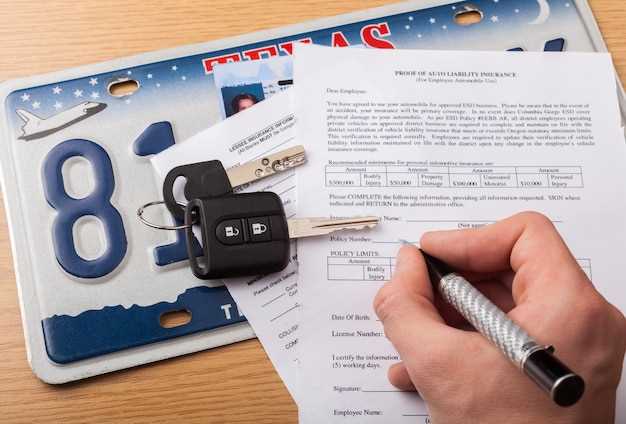
In many states, proof of insurance is also mandatory. This documentation must indicate that your classic car is covered and meet the minimum insurance requirements put forth by the state’s registration laws.
Some states may additionally request a vehicle inspection certificate, which verifies the car’s condition and adherence to safety standards. Certain classic car registries may require specific forms to declare the vehicle’s historic status.
Lastly, keep in mind that some states offer exemptions or special plates for classic cars, which may require additional documentation or application processes. Understanding these specific laws can streamline your registration process and ensure compliance.
Compliance with Safety and Emissions Standards for Classic Cars
When it comes to classic car registration, understanding safety and emissions standards is crucial. Each state has its own set of regulations that dictate what is required for registering a classic vehicle. Compliance with these standards is essential not only for legal registration but also for ensuring the safety of the driver and the environment.
Classic cars, by their nature, often lack modern safety features. Therefore, many states require vintage vehicles to undergo specific safety inspections to verify that they are roadworthy. These inspections may include checks on the braking system, lights, tires, and overall structural integrity. Some states also mandate that modified classic cars meet contemporary safety regulations, especially if significant alterations have been made.
In terms of emissions, classic cars may be exempt from some of the stringent requirements applied to newer vehicles. However, many states enforce emissions testing for all vehicles, regardless of age, to reduce air pollution. Some regions have specific exemptions for classic cars, while others may require older vehicles to pass emissions tests before registration. Understanding the local laws is vital, as non-compliance could result in fines or inability to legally operate the vehicle.
Additionally, certain states offer classic vehicle registration options that may ease the burdens of emissions testing. These programs often recognize that older vehicles have different performance characteristics and may provide reduced emissions requirements. However, it is the owner’s responsibility to remain informed about these options and any accompanying stipulations.
In summary, compliance with state safety and emissions standards is a critical part of classic car registration. Owners should diligently research their state’s specific regulations to ensure their vehicles are eligible for registration and safe for use on public roads.


