
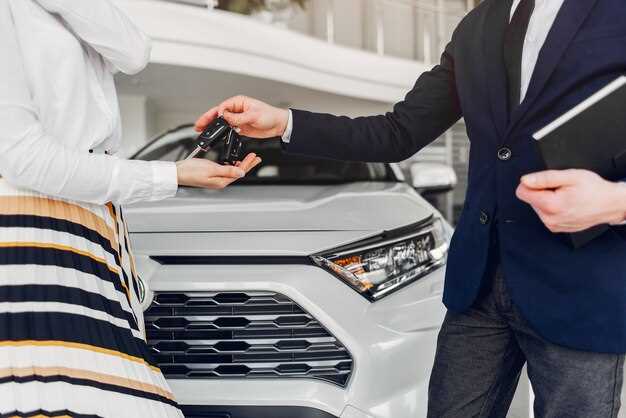
When it comes to acquiring a classic car, potential buyers often face a critical decision: should they participate in an auction or opt for a private sale? Each avenue presents unique opportunities and challenges that can significantly impact not only the buying experience but also the investment’s long-term value. Understanding the differences between these two methods can help enthusiasts make informed choices and secure their dream vehicles.
Auction events are often filled with excitement and competition, drawing bidders from all over the world who are eager to win rare and iconic models. In contrast, private sales may offer a more serene atmosphere, allowing buyers to negotiate prices directly with sellers. However, both routes require a thorough understanding of the classic car market, diligent research, and careful consideration of various factors such as vehicle history, condition, and provenance.
In this guide, we will explore essential tips and strategies for navigating both auctions and private sales, empowering you with the knowledge necessary to make wise purchasing decisions. Whether you’re a seasoned collector or a first-time buyer, understanding these two different approaches can enhance your chances of finding not just any car, but the right car for your collection.
Evaluating Classic Cars: Key Mechanics and Documentation

When considering a classic car, whether through private sale or auction, a thorough evaluation is essential. Start by inspecting the vehicle’s body for signs of rust, dents, or previous repairs. Pay close attention to the frame, as structural integrity is critical. A clean body may signify better maintenance but doesn’t guarantee mechanical soundness.
Next, assess the engine condition. Listen for unusual noises, check for leaks, and inspect belts and hoses for wear. A well-maintained engine should start smoothly and respond promptly to input. Consider verifying the vehicle’s compression levels and inspecting the oil and coolant for cleanliness.
Transmission performance is another crucial aspect. During a test drive, observe gear shifting and responsiveness. A slipping transmission can indicate extensive repair needs, which are often costly. Align the car’s handling with its age; older models may not drive as smoothly as modern ones, but excessive play in the steering could be problematic.
Documentation is equally important in establishing value and authenticity. Ensure you have the vehicle’s title, which confirms ownership and provides a history of any liens. Obtain service records that outline maintenance and repairs done over the years. Additionally, consider getting a vehicle history report to check for accidents or salvage titles, which may affect future resale.
Lastly, confirm the original specification of the classic car, as modifications can significantly impact value. An original model often fetches a higher price at auction compared to modified versions. Conducting thorough due diligence on both mechanical aspects and documentation will empower buyers in private sales or auctions to make informed decisions.
Navigating Auction Bidding Strategies for Classic Cars
Participating in an auction for classic cars requires a well-thought-out strategy to maximize your chances of success. Unlike private sales, where negotiations can be made in a more controlled environment, auctions demand quick decision-making and a clear understanding of the bidding process.
First, it’s crucial to conduct thorough research on the specific car you are interested in. Familiarize yourself with recent sale prices, the car’s historical value, and any unique features that may affect its worth. Understanding the marketplace will help you set a realistic budget and avoid overbidding.
Arrive at the auction early to inspect the cars in person. This gives you the opportunity to evaluate the condition of your desired vehicle and confront any potential issues before the bidding begins. Additionally, connecting with other collectors and gaining insights from experienced bidders can provide valuable information.
Once the auction starts, pay attention to the flow of bidding. Observe how other participants react to the car price fluctuations. Using tactics such as “bid-capping,” where you set a fixed limit on how much you’re willing to go above your initial offer, can prevent impulsive decisions during the heat of the moment.
An important aspect of auction bidding is maintaining a confident demeanor. A poised presence can discourage competition and create an impression of strong commitment to purchasing the car. Use strategic pauses to assess the atmosphere and adjust your bids accordingly.
While it’s tempting to chase after a coveted classic car, always remember that sticking to your pre-set budget is crucial. If bidding becomes too competition-driven, don’t hesitate to walk away. There will always be other auctions and opportunities for private sale. Protect your investment by staying disciplined and informed throughout the process.
In conclusion, navigating auction bidding for classic cars involves preparation, strategy, and awareness. By arming yourself with knowledge and a clear plan, you can confidently make your bid and potentially drive home with a cherished vintage automobile.
Negotiation Techniques for Private Classic Car Purchases

When engaging in a private sale of a classic car, effective negotiation techniques are essential to ensure you secure the best deal possible. Start by conducting thorough research on the specific make and model you are interested in. Understanding the car’s market value can provide a solid foundation for your negotiation strategy.
Establish a rapport with the seller to create a positive environment for negotiation. Building a connection often leads to greater flexibility on their part. Ask open-ended questions about the car’s history, condition, and any maintenance work done. This can reveal valuable information that may influence the price.
Always begin with a lower offer than what you are willing to pay. This allows room for negotiation and demonstrates your serious intent without exposing your maximum budget upfront. Use your research to justify your offer, highlighting any discrepancies between the car’s condition and the asking price.
Be prepared to walk away if the terms do not meet your expectations. Showing that you have other options can prompt the seller to reconsider their stance. Maintain a calm and professional demeanor throughout the process; emotions can cloud judgment and lead to unfavorable terms.
Don’t forget to discuss payment methods and any potential warranties or guarantees. Clarifying these details can help avoid misunderstandings later. Additionally, consider hiring a mechanic to inspect the car before finalizing the sale, as this can provide leverage in negotiating the price based on necessary repairs.
In conclusion, successful negotiations in private classic car sales hinge on preparation, effective communication, and the ability to remain flexible while advocating for your interests.


