
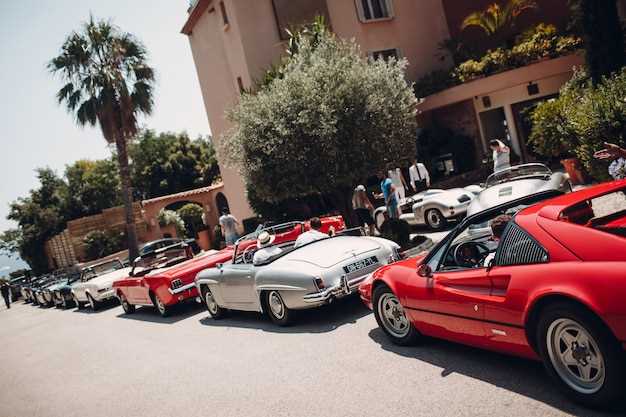
Organizing a classic car show can be an exciting endeavor, bringing together car enthusiasts and collectors from all walks of life. A well-executed event provides participants with an opportunity to showcase their prized vehicles and connect with like-minded individuals. However, careful planning and attention to detail are essential to ensure that the show runs smoothly and leaves a lasting impression on everyone involved.
One of the foundational aspects of a successful car show is the selection of an appropriate venue. The location should be spacious enough to accommodate the number of vehicles expected while also providing ample space for spectators. Additionally, factors such as accessibility, parking facilities, and nearby amenities can greatly enhance the overall experience for both exhibitors and attendees.
Moreover, effective promotion of the event is crucial. Utilizing social media platforms, local car clubs, and automotive forums can help generate buzz and attract a larger audience. Engaging potential participants early on not only increases the number of cars on display but also enriches the overall atmosphere of the show. By implementing these strategies, organizers can create a memorable event that celebrates the timeless appeal of classic cars.
Choosing the Right Venue and Date for Your Car Show
Selecting a suitable venue and date is crucial for the success of your classic car show. Start by evaluating potential locations, considering factors like accessibility, space, and facilities. A venue with ample parking, restrooms, and shade can enhance the experience for both exhibitors and visitors. Popular options include local parks, fairgrounds, or even large vacant lots that have sufficient room for vehicles and spectators.
In addition to the venue, the timing of your event is equally important. Research local events and holidays to avoid conflicts, as these can significantly impact attendance. Ideally, aim for a date that falls within the classic car show season, typically spring or early fall, when the weather is more favorable and car enthusiasts are more active.
Finally, considering the specific audience you aim to attract can also guide your choice. Tailoring the event to local clubs or demographics may influence your selection of both the venue and the date. Proper planning will ensure a successful and memorable car show that appeals to participants and spectators alike.
Marketing Strategies to Attract Participants and Spectators

To successfully organize a classic car show, implementing effective marketing strategies is crucial to attract both participants and spectators. First, consider utilizing social media platforms. Create dedicated pages for the event on platforms like Facebook, Instagram, and Twitter to share updates, showcase featured cars, and engage with potential attendees. This strategy will not only reach a wider audience but also build excitement before the day of the event.
Another effective approach is collaborating with car clubs and enthusiasts. Reach out to local and regional classic car clubs to promote the event. Offer them incentives, such as discounted registration rates or special parking spots, to encourage their members to participate. This can create a sense of community and ensure a diverse range of vehicles at the show.
Email marketing can also play a significant role in reaching out to previous participants and attendees. Create a mailing list and send out newsletters highlighting the event details, attractions, and any special guests. Ensure that the email content is engaging and encourages recipients to share the event with friends and family.
Utilizing local media outlets, such as newspapers, radio stations, and community blogs, can amplify your marketing efforts. Submit press releases and request coverage to gain free publicity. Local media often seek unique stories, and a classic car show can capture their interest, helping to draw in spectators who may not have otherwise attended.
Lastly, consider hosting pre-event activities, such as classic car meet-ups or promotional events at local businesses. These activities can serve as teasers for the show, allowing potential participants and spectators to engage with the classic car community, creating buzz and anticipation for the main event.
Logistics and Setup for a Smooth Event Experience
Effective logistics and setup are crucial for the success of a classic car show. Begin by selecting a suitable venue with ample space for both vehicles and spectators. Consider the flow of traffic, ensuring that cars can easily enter and exit the area while allowing enough room for display zones and walking paths.
Establish designated areas for various types of cars, such as classic muscle cars, vintage vehicles, and custom builds. This organization helps attendees easily navigate the show and enhances their experience. Clearly marked signage can guide visitors to different sections, amenities, and activities.
Plan for utilities like electricity and water, necessary for vendors and other event functions. Provide adequate restroom facilities to accommodate all attendees, as this affects overall satisfaction with the event. A well-maintained environment is essential for keeping guests comfortable and happy during the day.
Consider having a reliable sound system for announcements and entertainment, ensuring that all participants can hear important updates throughout the event. A schedule of activities, including award presentations or special demonstrations, should be readily available to keep attendees engaged.
Lastly, have a contingency plan in case of inclement weather. Tent coverage or alternative indoor locations can mitigate disruption and keep the event running smoothly, regardless of external conditions. By focusing on these logistics and setup elements, your classic car show can provide a memorable experience for all attendees.


