
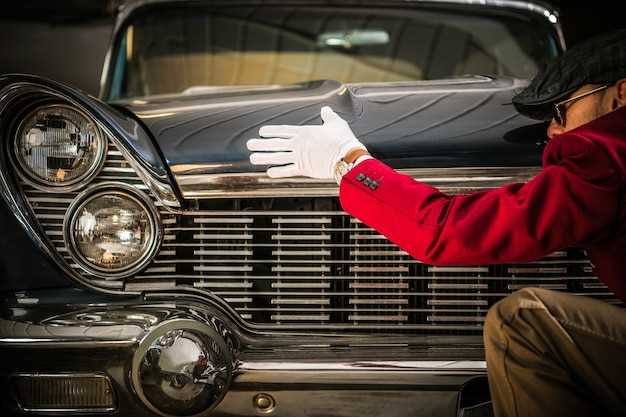
Restoration of a classic car is an exciting endeavor that requires careful planning and execution. Before diving into the project, it is essential to develop a clear plan that outlines every aspect of the restoration process. Whether you are a novice or a seasoned car enthusiast, having a structured approach will help you stay organized and focused throughout the project’s lifecycle.
Begin by assessing the current condition of the vehicle. This evaluation will inform your project plan and help you identify specific areas that require attention, whether they be mechanical, cosmetic, or structural. Establish a timeline and budget that align with your restoration goals, as this will greatly influence the scope of your work and the resources needed to accomplish it.
Throughout the planning phase, it is crucial to gather information and resources that can aid in the restoration process. Researching similar restoration projects, acquiring parts, and connecting with fellow enthusiasts can provide valuable insights and support as you embark on this rewarding journey of classic car restoration.
Assessing Your Classic Car’s Condition and Value
Before embarking on your restoration project, it is essential to assess your classic car’s condition and value accurately. This initial evaluation will help you create a realistic restoration plan and determine the feasibility of your project. Start by conducting a thorough visual inspection of the vehicle. Check for rust, damage, and the overall state of the chassis, body, and paint. Pay close attention to critical components like the engine, transmission, and suspension, as these can significantly affect both performance and cost.
Next, consider the interior condition, including seats, dashboard, and electronics. Note any missing parts or components that may require replacement. Document your findings meticulously, as this information will be valuable in estimating your restoration budget. Evaluating the car’s mechanical systems is equally important. A professional mechanic can provide insights into the engine’s health and any underlying issues that may not be immediately apparent.
After assessing the physical condition, research your classic car’s market value. Factors such as make, model, year, and current demand influence pricing. Utilize online resources, classic car auctions, and forums to gather pricing information and compare similar vehicles in restored and unrestored conditions. This research will guide your investment decisions as you prepare your restoration plan.
Ultimately, understanding both the condition and value of your classic car will enable you to make informed choices throughout the restoration project. By aligning your expectations with reality, you can achieve a gratifying outcome that respects the car’s history and brings your vision to life.
Creating a Detailed Budget and Timeline for Restoration
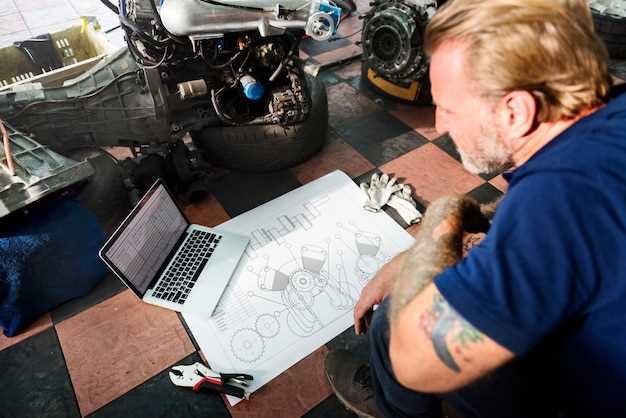
A successful classic car restoration project begins with a carefully crafted budget and timeline. This process ensures that you remain on track and avoid unexpected costs or delays. Start by listing all the components of your project, from initial purchases to final touch-ups.
First, categorize your expenses into major sections: parts, labor, and miscellaneous costs. Research the average prices for each essential part, considering the condition and rarity of your vehicle. Include costs for tools or equipment that you may need. If you’re hiring professionals for specific tasks, get quotes from different restorers to accurately gauge labor expenses.
Next, add a contingency fund of 10-20% to your budget. Restoration projects can often unveil hidden issues that require additional funding. This buffer will help you manage surprises without derailing your project.
Once your budget is in place, create a timeline that outlines each stage of the restoration. Break the project into manageable phases such as disassembly, bodywork, painting, and reassembly. Assign realistic timeframes to each phase, factoring in your personal schedule and any potential delays, such as waiting for parts to arrive.
Set clear milestones to mark progress along the way. Regularly review your budget and timeline to make adjustments as necessary. Staying organized and proactive in managing your finances and time will ultimately contribute to the successful completion of your classic car restoration project.
Selecting the Right Tools and Resources for Your Project
When embarking on a classic car restoration project, choosing the appropriate tools and resources is crucial to ensure success and efficiency. Start by identifying the specific tasks your project will require, such as engine work, body repair, or interior restoration. This will help you determine which tools are essential.
Basic hand tools, including wrenches, screwdrivers, and pliers, are foundational for any project. Ensure you have high-quality tools that can withstand the demands of restoration work. Additionally, power tools such as drills, grinders, and sanders will significantly speed up the process and enhance accuracy.
Investing in specialized tools designed for automotive work can also be beneficial. Consider acquiring a car lift or jack stands to provide easier access to the undercarriage. A torque wrench is essential for ensuring bolts are tightened to manufacturer specifications, preventing future mechanical issues.
In addition to tools, gathering the right resources is vital. Manuals, guides, and online forums dedicated to classic car restoration can provide invaluable insights, tips, and troubleshooting advice. Joining local or online car clubs can connect you with experienced restorers, opening doors to shared knowledge and support.
Don’t underestimate the power of resources such as aftermarket parts suppliers and specialty shops. These vendors often offer restoration parts that may be difficult to find, ensuring your project retains authenticity and craftsmanship.
Lastly, create an inventory of your tools and resources. This will help you track what you have and what may be needed as your restoration progresses. Being organized is key to a successful classic car restoration project, helping you stay focused and efficient throughout the journey.


