
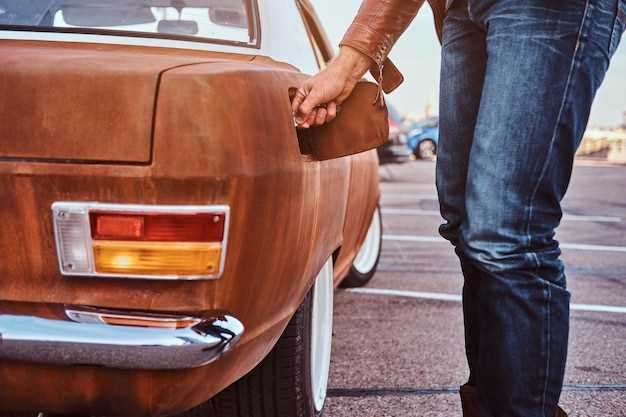
Buying a vintage car can be an exhilarating journey filled with nostalgia, but it can also lead to costly mistakes if you’re not well-prepared. Whether you are a seasoned collector or a first-time buyer, it’s crucial to arm yourself with the right tips before making a purchase. Vintage cars often come with hidden issues that may not be immediately apparent, and understanding these pitfalls is key to a successful acquisition.
Many buyers underestimate the importance of thorough research in the vintage car market. This not only involves knowing the specific make and model you’re interested in but also understanding the overall market trends, potential pitfalls, and the distinguishing features of authentic vintage vehicles. With the right knowledge, you can navigate the complex world of vintage car buying with greater confidence.
In this article, we will highlight five common mistakes that many vintage car enthusiasts make when buying a vehicle. By avoiding these missteps, you can significantly enhance your chances of finding a vintage car that not only meets your aesthetic desires but also proves to be a sound investment in the long run. Let’s dive into these critical insights that will guide you through a successful vintage car buying experience.
Neglecting a Thorough Inspection Before Purchase
One of the most critical mistakes vintage car buyers make is neglecting a thorough inspection before finalizing their purchase. A vintage car’s value often lies in its condition, and overlooking potential flaws can lead to costly repairs down the road. It is essential to examine not only the exterior and interior but also the mechanical components that may not be immediately visible.
When buying a vintage vehicle, always consider hiring a professional inspector experienced in classic cars. They can identify issues such as rust, bodywork repairs, or engine-related problems that might not be apparent to an untrained eye. Additionally, a detailed inspection report can serve as a negotiation tool, allowing you to discuss the price based on identified defects.
Pay special attention to the vehicle’s history, including previous ownership and maintenance records. A well-documented history can provide insight into how well the car has been cared for and any modifications made over time. Vintage cars often come with unique quirks; knowing their history helps you make informed decisions.
In conclusion, taking the time for a thorough inspection is crucial for successful vintage car buying. Implementing this simple yet effective tip ensures that you avoid unexpected expenses and enables you to enjoy your new acquisition without regrets.
Overlooking the Importance of Documentation and Provenance
When buying a vintage car, one of the most critical aspects often overlooked is the documentation and provenance of the vehicle. This information plays a vital role in establishing the authenticity and value of the car. Without proper records, buyers may face significant risks, including the possibility of purchasing a vehicle that has been misrepresented or even stolen.
Firstly, always request the vehicle’s title, which proves ownership history. A clean title is crucial; it indicates that the car has not been salvaged or declared a total loss by insurance companies. Additionally, look for service records that detail maintenance and repairs. These documents can provide insights into how well the car has been cared for over the years, giving you confidence in its condition.
Moreover, provenance adds an extra layer of value. Knowing the history of the car, such as previous owners, notable events, or even its presence in car shows, can enhance its desirability among collectors. Verify claims about the car’s background through reliable sources or expert appraisals. This due diligence not only confirms authenticity but also justifies your investment.
To avoid common pitfalls, always check for damage reports and accident history through services like Carfax. Understanding a vintage car’s past will significantly influence your buying decision and potential restoration costs. By prioritizing documentation and provenance, you’ll ensure a more satisfying and secure vintage car buying experience.
Ignoring Long-Term Ownership Costs and Maintenance Needs
When buying a vintage car, many enthusiasts focus on aesthetics, history, and the joy of ownership, often overlooking the long-term costs associated with maintaining such vehicles. Vintage cars can require specialized parts and skilled labor for repairs, which can significantly increase expenses over time.
In addition to repair costs, consider routine maintenance needs. Classic cars may need more frequent servicing compared to modern vehicles. Regular checks on fluid levels, brake systems, and electrical components are crucial for the longevity of the car, all of which add to the overall financial commitment.
Insurance is another factor that amplifies ownership costs. Vintage cars often require specialized insurance coverage, which can be more expensive than standard policies. Furthermore, storage conditions should be taken into account. Keeping a vintage car in a climate-controlled environment can help preserve its condition but may also lead to higher storage fees.
Ultimately, assessing the long-term ownership costs and maintenance needs is essential when purchasing a vintage car. This foresight can prevent unexpected financial burdens and enhance the overall experience of owning a classic vehicle.


