
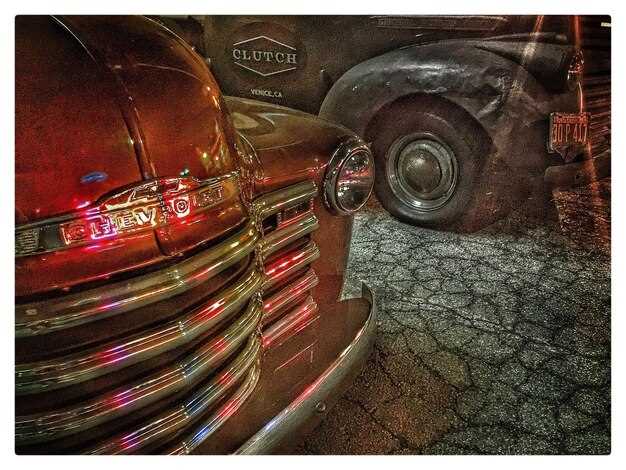
Throughout the years, trucks have evolved from essential workhorses to beloved symbols of Americana. With their rugged designs and rich histories, vintage trucks embody the spirit of hard work and adventure. These mechanical marvels not only played a pivotal role in the development of industries but also in shaping the culture of transportation as we know it today.
The history of trucks is marked by innovation and resilience. From the early models of the 1910s to the classic designs of the mid-20th century, each truck tells a story of its time. These vehicles were not just tools; they were a means of connecting communities, transporting goods, and even serving as a backdrop for countless memories on the open road. Vintage trucks hold a special place in our hearts, reminding us of a simpler time when craftsmanship and durability were paramount.
As we delve deeper into the world of vintage trucks, we will explore their unique features, the impact they had on various industries, and the nostalgia they evoke. Understanding the history of these iconic vehicles allows us to appreciate their charm and significance in our modern lives. Join us on this journey as we uncover the fascinating stories behind vintage trucks and celebrate their enduring legacy.
The Evolution of Vintage Truck Designs from the Early 1900s to the 1970s
The history of vintage trucks showcases a remarkable transformation in design and functionality from the early 1900s to the 1970s. In the 1900s, trucks were primarily built on car chassis, featuring simple wooden bodies and a focus on utility. These early models, like the 1907 International Model A, reflected an initial shift from horse-drawn vehicles, emphasizing practicality for agriculture and commerce.
As the years progressed, the 1920s and 1930s introduced more robust designs. Manufacturers began to integrate steel bodies, improving durability and resistance to wear. The introduction of enclosed cabs marked a significant change, offering drivers protection from the elements and increasing comfort during long hauls. Streamlined designs started emerging, influenced by the automotive trends of the time, ultimately enhancing both aesthetics and aerodynamics.
The post-World War II era, particularly the 1950s, saw a surge in innovation. Trucks evolved to accommodate a booming economy and the rise of consumerism. Models like the Chevrolet Task Force and Ford F-Series became symbols of American culture, showcasing bold colors, chrome accents, and increased payload capacities. The design emphasis shifted toward appealing to a broader audience, with more emphasis on style while retaining functional capability.
Throughout the 1960s and into the 1970s, trucks continued to evolve. Manufacturers began adopting a more modern approach with greater emphasis on comfort, ergonomics, and advanced engineering. The introduction of larger, more powerful engines and enhanced suspension systems allowed for improved performance both on and off the road. Trucks became not just work vehicles but also lifestyle choices, with models like the Dodge D-series catering to various consumer needs.
By the end of the 1970s, vintage trucks had confidently secured their place in history, representing a blend of mechanical innovation and evolving consumer expectations. This evolution mirrored broader trends in society, showcasing how these vehicles became an integral part of American life and culture.
Key Features That Define Vintage Trucks: A Detailed Look
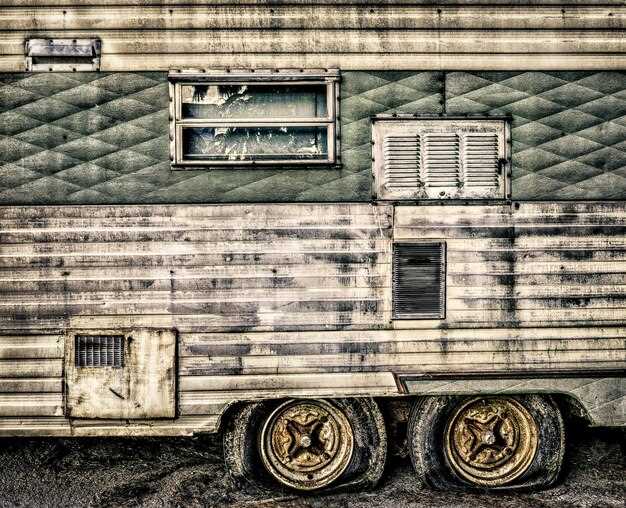
Vintage trucks are distinguished by their unique design and engineering characteristics that reflect the automotive trends of their era. One of the most defining features is the body shape, which often includes rounded edges and bold, classic lines. These curves are not only aesthetically pleasing but also functional, providing improved aerodynamics compared to earlier utilitarian designs.
The materials used in vintage trucks also set them apart. Many models were constructed using steel bodies, wood accents, and chrome details, which contribute to their distinctive look and durability. This choice of materials was influenced by the manufacturing technologies available at the time, making vintage trucks a testament to the craftsmanship of their period.
Another key aspect is the engine design. Vintage trucks typically feature less complex engines than modern counterparts. These engines often have fewer cylinders and simpler mechanical systems, which make them easier to maintain. The sound of the engine is also a significant characteristic, with a robust growl that many enthusiasts find appealing.
Interior design in vintage trucks focuses on functionality with minimalistic layouts. Dashboard instruments are often analog, featuring large dials and simple controls that emphasize ease of use. Additionally, seating materials can range from basic cloth to leather, reflecting the level of luxury available during the truck’s production era.
Finally, the paint and finishing touches play a critical role in the charm of vintage trucks. Many of these vehicles sport vibrant, eye-catching colors and intricate detailing, which were integral to their identity. Custom paint jobs, including pinstriping and decals, often enhance their uniqueness and appeal.
Restoration Tips: How to Maintain and Preserve Vintage Trucks

Maintaining and preserving vintage trucks requires a deep understanding of their history and construction. The first step in restoration is to perform a thorough inspection. Check for rust, damage, and wear in critical areas such as the chassis, body, and engine. Developing a detailed plan will help tackle each issue methodically.
Cleaning is essential in any restoration process. Use gentle cleaning agents to remove dirt and grime without damaging original finishes. Pay special attention to hard-to-reach areas, ensuring that all components are accessible for inspection and repair.
When working on mechanical systems, prioritize the engine and transmission. Replace worn components with parts that are as close to original specifications as possible. If original parts are unavailable, consider sourcing high-quality reproductions to maintain authenticity while ensuring functionality.
Preservation of the truck’s bodywork is vital. Address any rust spots immediately, using appropriate treatments to prevent further corrosion. For painting, use period-authentic colors and techniques to honor the truck’s history. Clear coats can provide added protection while enhancing the original finish.
Another important aspect is the interior. Restore seats and dashboards by using original materials or high-quality replicas to maintain historical accuracy. Regular cleaning and conditioning of leather and fabric can extend the lifespan of these components.
Storing vintage trucks properly is crucial for their preservation. Keep them in a climate-controlled environment, free from moisture and extreme temperatures. Use covers designed for classic vehicles to protect the exterior from dust and debris.
Regular maintenance checks will help keep vintage trucks in prime condition. Flushing fluids, changing filters, and checking tire pressure should be routine practices. Encourage a culture of careful driving to prevent undue stress on the vintage machinery.
Join vintage truck communities and forums to share knowledge and experiences. Networking with other enthusiasts can provide valuable insights and resources for restoration and maintenance. By actively engaging with the history and community, you ensure that these cherished vehicles are preserved for future generations to enjoy.


